


Dental Courses
Be the Maestro: The Modular Aligner Mastery Course
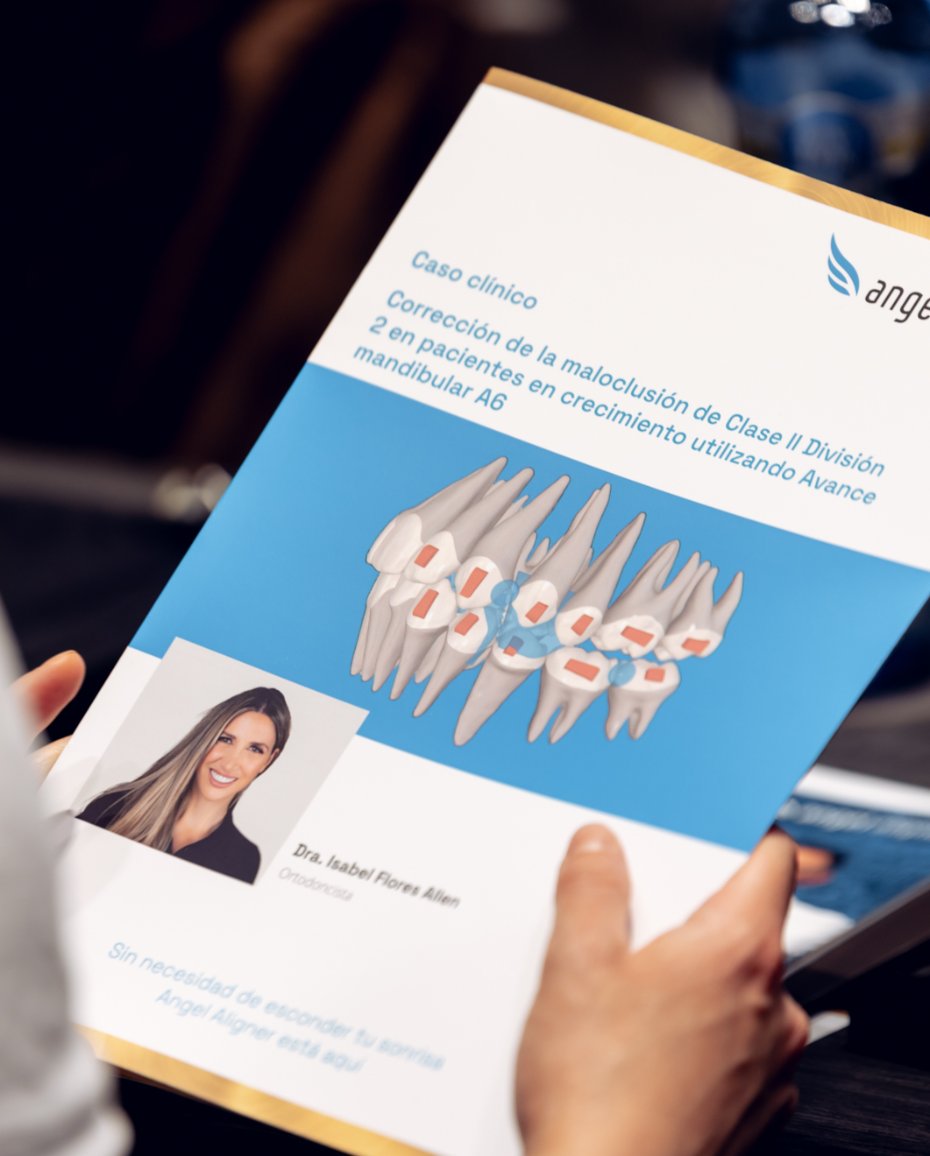
An 8-Month Clinical Mentorship to Master Clear Aligner Therapy. Be the Maestro is not a traditional course. It is a structured clinical mentorship journey designed to transform how doctors think, plan, and execute clear aligner treatments. Over 8 months of modular training, each participant receives direct guidance, continuous feedback, and real-case supervision. No generic protocols. No unanswered questions. No clinical isolation.
This program was created with one clear mission:
“To provide the structure, timing, and mentorship that most aligner courses never offer.”
Book nowThe Essence of the Program
Be the Maestro offers a unique learning experience based on real clinical growth:
- A structured path to develop clarity and clinical confidence
- Continuous mentorship, feedback, and accountability
- Real case analysis (not theory without application)
- Weekly touchpoints with clear timelines and objectives
- Small-group format (maximum 15 doctors) for proximity and support
- A mentorship model that adapts to your current level and elevates your clinical decision-making
This is the program redefining how aligner practice is perceived in the Middle East.
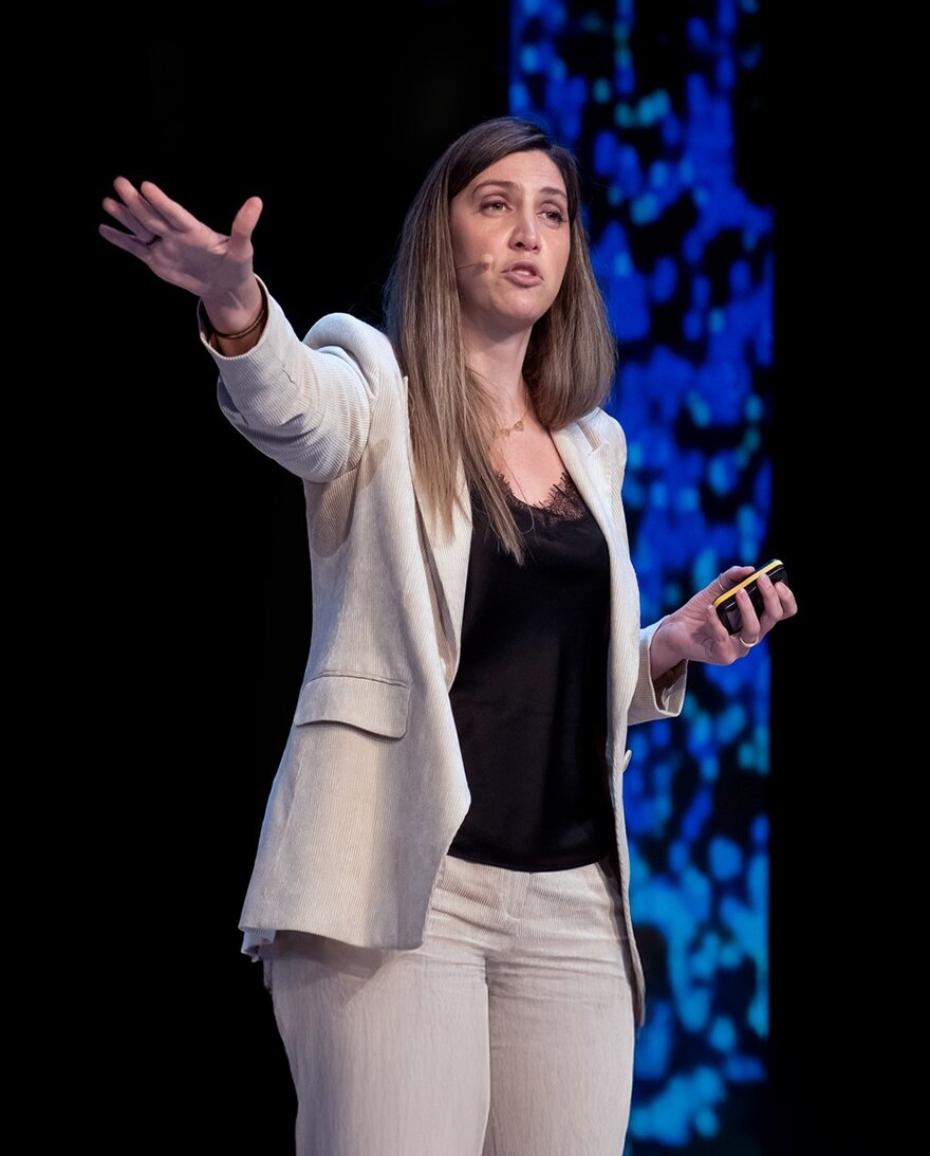
Dr. Isabel Flores Allen
Orthodontist • Clear Aligner Specialist • Clinical Mentor
Founder of Be the Maestro: The Modular Aligner Mastery Course. With over a decade of clinical experience in orthodontics and clear aligner therapy, Dr. Isabel Flores Allen has treated patients across Portugal and the Middle East. She has led aligner-based treatment planning for both growing patients and adults, frequently collaborating with multidisciplinary and surgical teams.
More about Dr. Isabel Flores AllenCurrently practicing and teaching in Dubai, UAE, Dr. Isabel focuses on: Predictable biomechanics, Advanced digital treatment planning, Aligned decision-making between clinician, technician, and software
Clinical Focus Areas
- Clear Aligner Biomechanics
- Digital Treatment Planning & Case Strategy
- Complex Malocclusions (Vertical, Sagittal & Transversal)
- Interdisciplinary and Surgical Case Coordination
- Mentorship and real-time clinical supervision
Be the Maestro was created to fill a critical gap in aligner education: structure, guidance, and true mentorship.
Program Structure – 8 Months
Module 1: Clinical Foundations & First-Stage Strategy (In-Person, 2 Days)
Objective: Build a solid foundation for predictable aligner practice and initiate real cases with structured clinical reasoning.
1. Introduction to Aligners & Clinical Identity
- Treatment philosophy: decision → strategy → software → execution
- Aligners are not a brand – they are a tool inside clinical reasoning
- Case types and the limits of predictability
- Four pillars: aligners, digital planning, auxiliary techniques, and features
2. Clinical Marketing & Positioning
- How to communicate predictability, experience, and safety to patients
- Presenting plan, number of aligners, duration, and refinements with authority
- Ethical orthodontic communication (without promising “software outcomes”)
3. Consultation Protocols
- Initial consultation → photographic protocol → radiographic exams → structured follow-ups
- Aligner delivery workflow, appointment rhythm & review intervals
- What the patient must understand before accepting treatment
4. Attachments, Structure & Strategy
- Conventional vs optimized attachments and clinical decision criteria
- Functional vs aesthetic setups — avoiding clinically unachievable designs
- Overcorrection principles
- Early staging priorities to prevent future failure
5. Auxiliary Techniques
- Elastics, IPR, segmented arches, TADs
6. Angel Protocols A7 / A8
- Biomechanical logic and indications
- A7 → Predictability & anchorage
- A8 → Diagnostic responsibility & full biomechanical control
Weekly Zoom Mentorship during the whole course
- Case review for every doctor
- Staging, attachments, refinements & troubleshooting
- Strategic guidance, confidence building, clinical direction
Outcome: Doctors begin cases with clarity, confidence, and strategy, not software-dependent improvisation.
Module 2: Vertical Control & Growing Patients (Online, 1 Day, Month 4)
Objective: Diagnose and manage vertical discrepancies and growth-related cases with realistic expectations and safe planning.
1. Vertical – Deep Bite
- Etiology and strategic diagnosis
- Predictability inside 3D software
- Attachments and intelligent staging
- Curve of Spee correction, intrusion, and torque management
- Protocols: frog staging, posterior anchorage, vertical retention
2. Vertical – Open Bite
- Identifying etiology and diagnostic classification
- TADs for posterior intrusion and stability
- Tongue posture & nasal breathing for long-term retention
3. Kids & Growing Patients
- Planning without promising absolute predictability
- Expansion: symmetrical vs asymmetrical — timing and criteria
- A6 protocol in growing patients
- Early interception to simplify adolescent treatment
- Angel Kids: specific biomechanical features
Weekly Zoom Mentorship during the whole course
- Case review for every doctor
- Staging, attachments, refinements & troubleshooting
- Strategic guidance, confidence building, clinical direction
Outcome: Doctors manage growth and vertical corrections with safety, realism, and control.
Module 3: Advanced Cases & Multidisciplinary Strategy (In-Person, 2 Days, Month 8)
Objective: Master complex decision-making with real biomechanical impact.
1. Crowding & Diastemas
- Micromovement biomechanics (rotations, tipping, torque, anchorage)
- Strategic staging and retention planning
- Transversal and unilateral correction associated with crowding
2. Sagittal – Class II
- Diagnosis: subdivision, skeletal vs dental origin
- Distalization vs mesialization — indication algorithm
- IZC screws / tuberosity / inter-radicular positioning logic
- Elastic sequence and early-use protocol
- Children vs adults: responsibility & decision architecture
3. Sagittal – Class III
- Indications, metrics, and structural limits
- When to use TADs responsibly (without “overselling surgery avoidance”)
- Upper mesialization & occlusal plane control
- Recurrent software errors & prevention
4. Extractions
- Mechanical strategy & realistic expectations
- Maintaining esthetics during retraction
- Anchorage control and torque during complex retraction pathways
Outcome: Doctors gain confidence in advanced, high-impact clinical decisions.
Format & Locations
- Small groups only: 10–15 doctors
- Language: English
- Locations across the region: Saudi Arabia, Jordan, Kuwait and United Arab Emirates
Who This Program Is For
Be the Maestro is designed for dentists and orthodontists who seek:
- Real mentorship, not just lectures
- Guidance during active cases, not only after complications
- Structure, accountability, and confidence
- A roadmap applicable immediately in clinical practice
Case Review & Mentorship
Each module includes supervised case discussion, diagnostic validation, treatment planning, and strategic decision-making for the doctors attending.
In One Sentence
“Be the Maestro is the modular mentorship that finally bridges the gap between knowing aligners and mastering aligner practice.”
Book now